Gender-based violence (GBV) is an urgent global public health issue affecting one in three women over the course of their lives. Healthcare professionals have a prime opportunity to identify and support survivors; however, current scientific evidence highlights that they often lack the appropriate skills and training to fulfill this vital role.
To enhance the competencies of health science students in addressing this complex issue, we—in collaboration with Universitat Pompeu Fabra and the Sant Joan de Déu Research Foundation—developed a training program featuring immersive educational resources based on Virtual Reality. This technology allows students to step into a scenario and engage in experiential, emotionally resonant learning. This resource is utilized in various training courses, and a study was conducted—and subsequently published—following one of these sessions.
Training development
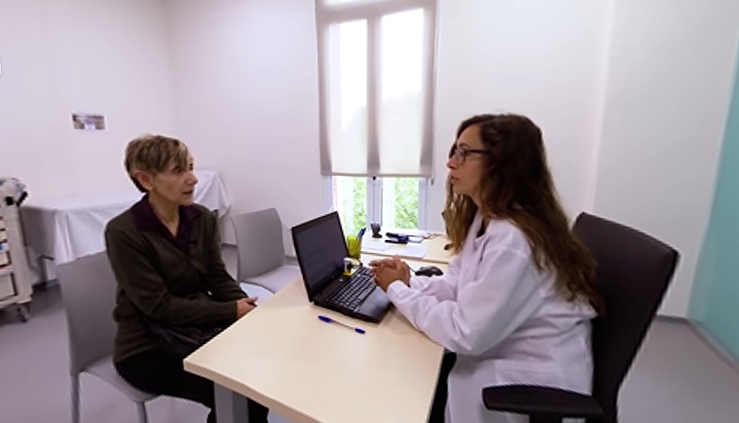
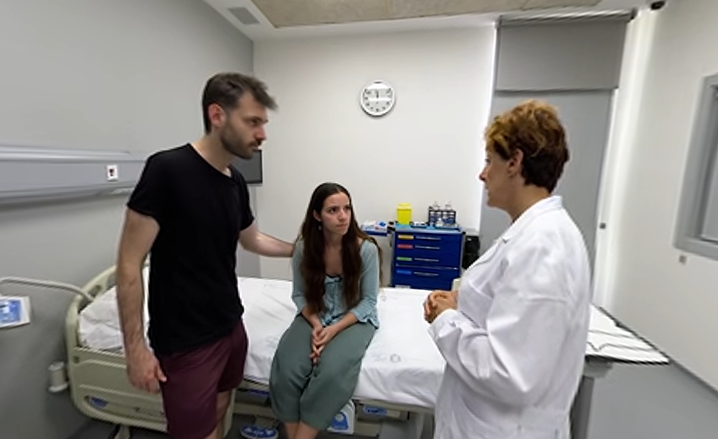
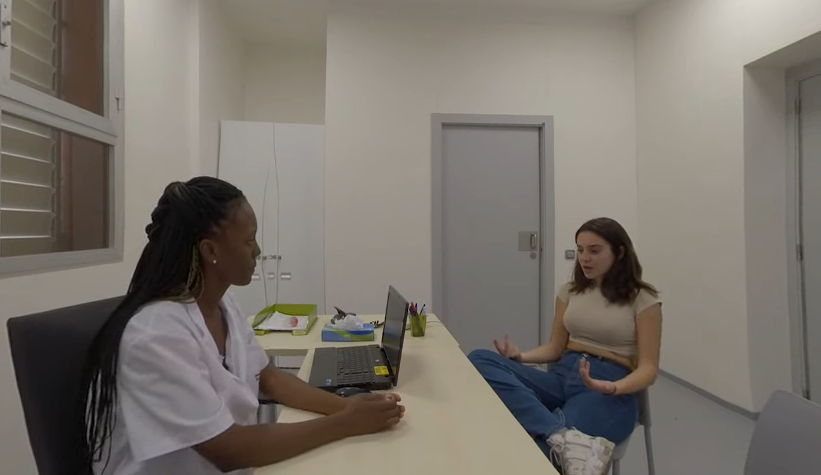
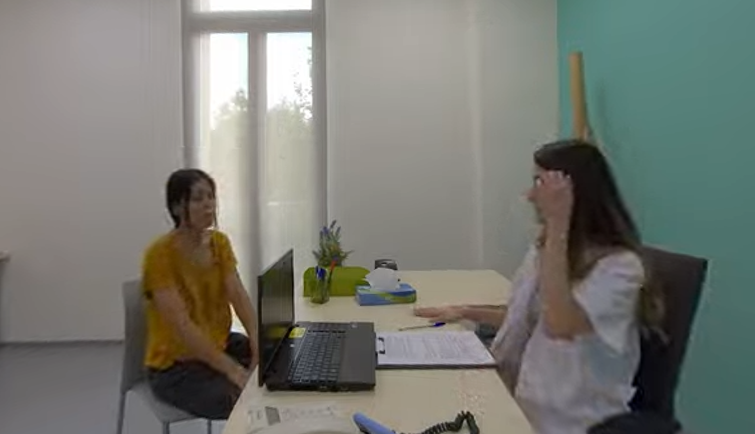
To ensure the training reflected clinical reality, the study employed a three-phase co-creation approach, involving frontline health and social care professionals (such as a physician, a midwife, an adult and child well-being specialist, an addiction rehabilitation specialist, and a human trafficking specialist), pedagogical experts, and immersive technology specialists. This collaborative process resulted in four 360° VR scenarios designed to immerse students in critical, intersectional situations involving gender-based violence. The recreated cases move beyond traditional stereotypes to address highly complex scenarios: psychological violence against older women, physical and sexual violence during pregnancy, professional bias regarding survivors with drug addictions, and the identification of violence inflicted through children (vicarious violence). This post provides links to these freely accessible 360° videos. The immersive environment allows students to practice empathetic communication, navigate ethical dilemmas, and recognize their own biases in a safe setting.
Teaching methodoly
To present these immersive videos in the classroom, researchers developed instructional guides based on two active learning methodologies: classic Problem-Based Learning (PBL) sequences and single-session Experiential Learning (EL) sessions.
Problem-Based Learning (PBL) is structured as a sequence of multiple small-group sessions (lasting approximately two hours each). The VR scenario is introduced at the start as a “case study” that triggers an inquiry process. Students are required to research scientific literature, analyze causes, and propose solutions to the case in subsequent sessions, thereby fostering deep learning.
Experiential Learning (EL) is designed to fit into a single two-hour session, following a learning model in which students experience the VR simulation and then dedicate the majority of the time to an extensive debriefing—involving reflection and discussion—with their peers and instructors. They analyze their reactions, debate how to handle the situation, and conclude with a theoretical review to address any questions.
Article
To evaluate the efficacy, usability, relevance, and pedagogical clarity of the VR-developed materials, a pilot study was conducted with 64 students enrolled in a diagnostic and nuclear medicine degree program. Students were assessed before and after participating in the VR scenarios to quantify the resulting changes. This assessment included questionnaires based on the PSV-NE scale (Perception of Intimate Partner Violence in Nursing Education Scale). This scale evaluates various aspects, including students’ perceptions of gender-based violence (GBV), their general level of training, their ability to identify both survivors and perpetrators, and the professional values and roles required to address the issue.
The results following the pilot implementation demonstrated clear educational potential, with higher mean scores across all items on the PSV-NE assessment. Students significantly improved their ability to correctly identify both the survivor and the perpetrator of the violence. The study also revealed a significant limitation: although there was a positive trend regarding students’ knowledge of the specific role healthcare professionals (HCPs) should play in addressing GBV, this improvement did not reach statistical significance. However, this finding was used formatively to improve the project. Upon identifying this gap, the researchers modified and refined the instructional guides accompanying the videos. In the final revision, much greater emphasis was placed on reinforcing the professional responsibility of healthcare workers and on how they should intervene within the health and social care system to assist women.
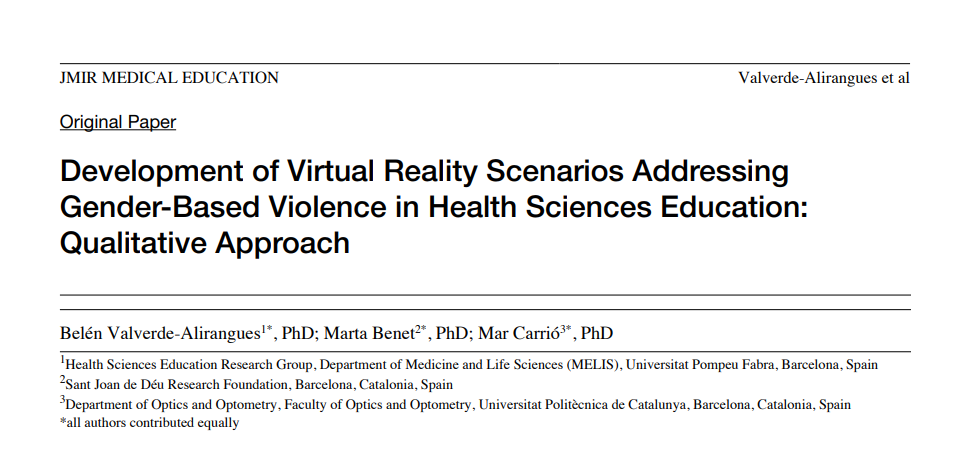
Todo el estudio y los resultados fueron publicados en el artículo “Development of Virtual Reality Scenarios Addressing Gender-Based Violence in Health Sciences Education: Qualitative Approach” escrito por Belén Valverde-Alirangues, Marta Benet y Mar Carrió, en la revista científica JMIR MEDICAL EDUCATION, doi: 10.2196/76098
Conclusions
The pilot implementation of this project yielded very promising results. After using the VR scenarios, health science students significantly improved their perception of gender-based violence and demonstrated a greater ability to correctly identify both survivors and perpetrators. In conclusion, grounding educational resources in actual clinical practice and the expertise of professionals helps bridge the gap between academic theory and real-world challenges. Furthermore, by making the 360° videos and teaching guides available via open access, this innovative model serves as a valuable tool for transforming health education globally.